Clean Eating for Hormones: How Food Quality Affects Energy, Mood & Belly Fat
Clean Eating for Hormones: How Food Quality Affects Energy, Mood, and Belly Fat
If you have been eating well, moving your body, and watching your portions but still feel tired, moody, or like your belly is working against you, it may be time to look more closely at food quality. When it comes to hormone health, what you eat matters, but how processed or nourishing it is matters even more. This guide covers how food quality affects your hormones, your energy, your mood, and your weight after 40, and how to make simple shifts that support your body without adding overwhelm.
Category: Nutrition and Metabolism | Read time: 8 minutes
Key Takeaways
Ultra-processed foods make up nearly 60 percent of the average American adult diet and are linked to increased inflammation, insulin resistance, and hormonal disruption.
Your hormones rely on a network of systems, including the gut, liver, and adrenals, that need quality nutrients to function well.
Clean eating is not about perfection. It means choosing whole, minimally processed foods as often as possible.
Small, consistent improvements in food quality can lead to noticeable changes in energy, mood, cravings, and weight.
Why Food Quality Matters for Hormones
Hormones are the body's chemical messengers. They regulate everything from energy and metabolism to stress, sleep, hunger, mood, and reproductive function. But they do not work in isolation. Your hormones rely on a network of support systems, including your gut, your liver, your adrenals, and your thyroid, and all of these systems depend on nutrients to function well.
When the diet is dominated by ultra-processed foods, these systems become overloaded. Research from the National Health and Nutrition Examination Survey (NHANES) found that ultra-processed foods constitute around 58 percent of total energy intake among US adults and account for 89 percent of added sugars in the average American diet. A study published by the National Heart, Lung, and Blood Institute (NIH) estimates that up to 70 percent of the US diet is now composed of foods that are ultra-processed.
These are not just numbers. When the body is consistently fed foods that are high in refined sugars, industrial oils, artificial additives, and low in fiber, protein, and micronutrients, the result is a cascade of effects that directly impair hormone balance.
How Ultra-Processed Foods Affect Your Body After 40
Inflammation
Research published in The American Journal of Medicine found that people with the highest intake of ultra-processed foods had significantly elevated levels of high-sensitivity C-reactive protein, a marker of chronic inflammation and a strong predictor of cardiovascular disease. Chronic low-grade inflammation disrupts hormone signaling, impairs insulin function, and contributes to the kind of persistent fatigue and brain fog that many women over 40 experience.
For women navigating perimenopause, inflammation is particularly relevant because declining estrogen already triggers an increase in inflammatory activity. Adding a diet high in processed foods amplifies this effect. For more on how to reduce inflammation through food, this guide to anti-inflammatory eating covers the most practical steps.
Blood Sugar and Insulin Resistance
Ultra-processed foods tend to spike blood sugar quickly because they are low in fiber and protein and high in refined carbohydrates and added sugars. Repeated blood sugar spikes drive insulin higher, which promotes fat storage, particularly around the midsection. Over time, this pattern can lead to insulin resistance, where the cells become less responsive to insulin and both blood sugar and weight become harder to manage.
If you have noticed that dieting has stopped working the way it used to, the quality of what you eat may matter more than the quantity. For a deeper look at blood sugar regulation, this post on balancing blood sugar after 40 covers the full picture.
Gut Health
A diet high in ultra-processed foods reduces microbiome diversity, weakens the gut lining, and impairs the gut's ability to process and clear excess hormones, including estrogen. The gut plays a direct role in hormone metabolism through a collection of bacteria known as the estrobolome, which determines how much estrogen is eliminated versus recirculated. When gut health is compromised, hormonal symptoms can worsen. Supporting gut healththrough whole foods is one of the most effective indirect strategies for improving hormone balance.
Liver Function
The liver is responsible for metabolizing and detoxifying excess hormones, including estrogen. When it is overloaded with additives, refined sugars, industrial oils, and alcohol, its ability to process hormones efficiently is reduced. This can contribute to estrogen dominance, which is associated with bloating, mood swings, weight gain, and heavier periods. Supporting liver function through simple daily habits helps keep this system running more effectively.
The Mood and Food Connection
Feeling irritable, anxious, or flat is not always "just stress." The quality of your food directly influences the production of neurotransmitters like serotonin and dopamine, which regulate mood, motivation, and emotional stability.
Low-quality, nutrient-poor meals, especially those high in sugar and low in protein, contribute to blood sugar instability, which in turn reduces the steady supply of amino acids and cofactors the brain needs to produce these neurotransmitters. The result is a pattern that can look a lot like hormonal mood changes but is actually driven, at least in part, by what you are eating.
What helps most is consistent, balanced meals that include protein, healthy fats, fiber, and colorful vegetables. This keeps blood sugar steady, supplies the raw materials for neurotransmitter production, and supports the gut-brain connection that influences how you feel emotionally. Starting the day with a high-protein breakfast is one of the simplest ways to set a better foundation for mood and energy.
Belly Fat, Inflammation, and Hormonal Resistance
One of the most frustrating symptoms for many women in midlife is abdominal weight gain that does not respond to the strategies that worked before. Three underlying drivers are often involved, and all are influenced by food quality:
Inflammation:Poor food quality leads to higher intake of refined oils, additives, and sugar, which promote chronic low-grade inflammation. Inflammation interferes with insulin signaling and promotes fat storage, particularly around the middle.
Insulin resistance:Repeatedly spiking blood sugar with refined carbohydrates, sugary drinks, and processed snacks trains the body to produce more insulin. Higher insulin levels make it easier to store fat and harder to access stored energy for fuel.
Cortisol imbalance:Eating on the go, skipping meals, relying on caffeine, and consuming foods that spike and crash blood sugar all raise cortisol. Elevated cortisol further promotes fat storage around the midsection. For more on this connection, this post on cortisol bellyexplains the cycle in detail.
By consistently choosing whole, minimally processed foods, you help reduce all three of these drivers. The body begins to feel safer, inflammation decreases, insulin works more efficiently, and cortisol stabilizes, all of which support a healthier body composition over time.
What Clean Eating Actually Means
Clean eating is not about perfection, rigid rules, or guilt. It simply means choosing foods as close to their natural state as possible, as often as possible. In practice, this looks like:
Choosing whole, minimally processed ingredients over packaged or convenience foods
Prioritizing organic, seasonal, and nutrient-dense options when available
Reducing ultra-processed foods, refined sugars, industrial seed oils, and artificial additives
Reading labels and choosing products with fewer than five recognizable ingredients
You do not need to eliminate everything at once. Small, consistent shifts in food quality tend to produce more lasting results than dramatic overhauls.
Building a Clean, Hormone-Friendly Plate
A simple formula for meals that support hormones, energy, and blood sugar:
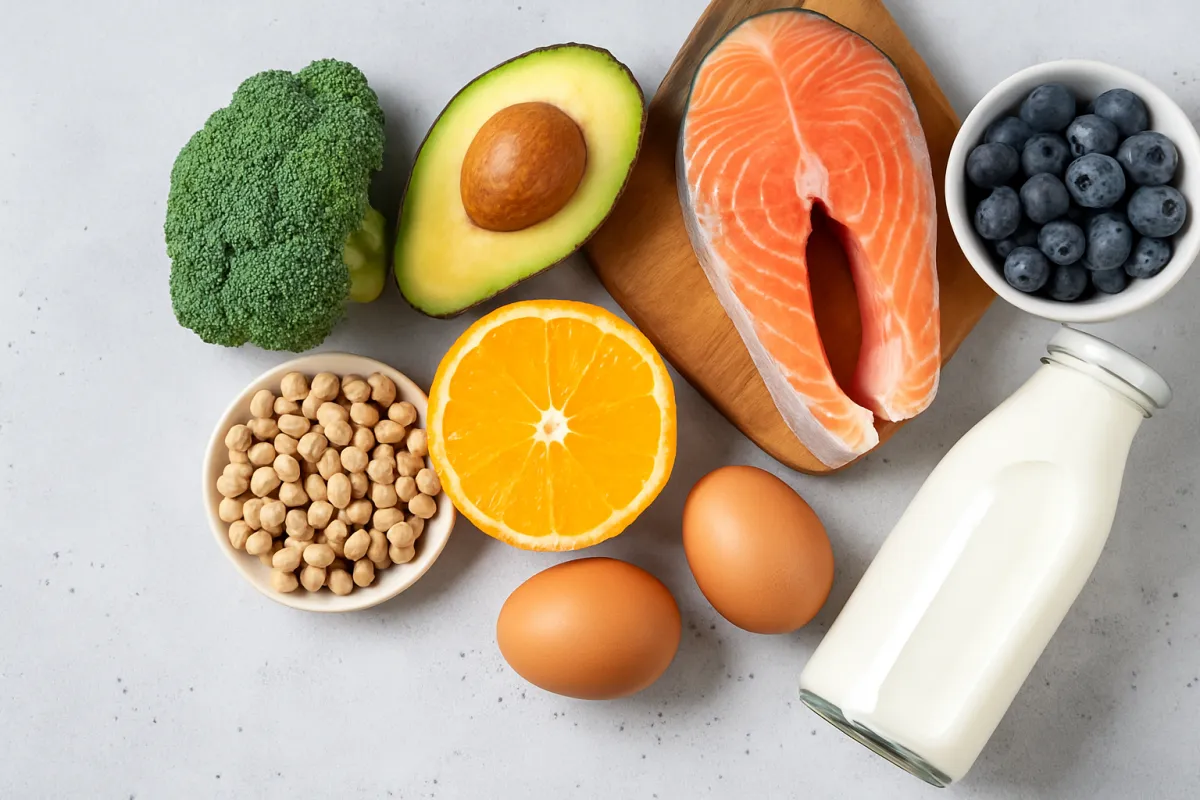
Half your plate filled with non-starchy vegetables- such as leafy greens, peppers, broccoli, cauliflower, or zucchini
A palm-sized portion of quality protein- such as eggs, fish, chicken, tofu, tempeh, or lentils
A fist-sized portion of fiber-rich carbohydrates- such as sweet potatoes, quinoa, oats, or brown rice
A thumb-sized portion of healthy fats- such as avocado, olive oil, nuts, or seeds
This combination supports steady blood sugar, hormone production, gut health, and satiety. For guidance on how much protein women over 40 need daily and why fiber is especially important after 40, those posts cover the details.
What to Look for on Labels
Clean eating does not mean everything has to be made from scratch. Packaged foods can absolutely be part of a hormone-supportive diet when you know what to look for:
Choose products with ingredients you recognize.If the list reads like a recipe you could make at home, it is probably a reasonable choice.
Aim for five or fewer ingredients.Fewer ingredients usually means less processing.
Avoid industrial seed oils.Canola, soybean, corn, and sunflower oils are highly refined and can promote inflammation. Look for products made with olive oil, avocado oil, or coconut oil instead.
Watch for hidden sugars.Ingredients ending in "-ose" (dextrose, maltose, fructose) or terms like "rice syrup," "cane juice," or "corn syrup solids" are all forms of added sugar.
Skip artificial sweeteners, emulsifiers, and preservatives where possible.These can affect gut bacteria and contribute to inflammation over time.
Simple Swaps to Improve Food Quality
You do not need a complete kitchen overhaul. Start with one or two swaps this week and build from there:
Swap sugary cereal for overnight oats with protein.Oats with Greek yogurt, chia seeds, and berries provide fiber, protein, and steady energy.
Swap industrial dressings for olive oil and lemon.Most store-bought dressings contain seed oils and added sugars. A simple olive oil and lemon dressing is anti-inflammatory and takes seconds to make.
Swap packaged snacks for whole food options.Nuts, seeds, fruit with nut butter, hard-boiled eggs, or hummus with vegetables are all quick and more supportive.
Swap refined carbohydrates for whole food versions.Brown rice instead of white, sweet potatoes instead of regular fries, whole grain bread instead of white.
Swap sugary drinks for water, herbal tea, or sparkling water with citrus.Liquid sugar is one of the fastest ways to spike blood sugar and drive insulin higher.
How Clean Eating Connects to Your Bigger Wellness Picture
Food quality is not a separate strategy from the other pillars of wellness. It underpins all of them. When you consistently eat whole, nutrient-dense foods, your blood sugar stabilizes, your gut functions better, your liver processes hormones more efficiently, your mood steadies, and your energy becomes more reliable.
For women navigating perimenopause and hormonal imbalance symptoms, improving food quality is one of the most impactful and sustainable changes you can make. Combined with attention to sleep,stress management, and omega-3 rich foods, it becomes part of a complete foundation for sustainable wellness after 40.
A Gentle Place to Start
Your hormones do not need a perfect diet. They need a cleaner, more consistent one. Start with one swap this week, one label you read more carefully, one meal where you choose whole foods over processed. Small shifts like these create real momentum over time.
If you would like more structured support with nutrition, meal planning, and sustainable wellness after 40, the membership is designed to help you build a foundation that works for your body and your life.